Hope, Fairies, and Disenchantment
A Collision with Reality, Sprinkled with Glitter and Neuroscience
By Bob the Dog
Hope, dear reader, is the duct tape of the soul. Evolution duct-taped it into our wiring because creatures with hope are less likely to throw themselves into a volcano after a bad day and more likely to stick around, procreate, and pass on their stubborn knack for thinking tomorrow might not be quite as lousy as today. A hopeless rabbit, after all, is coyote chow. A hopeful rabbit? He lives long enough to teach his children about the wonders of lettuce and the hazards of hawks.
The Problem with Disenchantment
Somewhere along the way, the word “disenchanted” got mugged in a dark alley by marketing executives. Nowadays, if you’re “disenchanted,” it means the new smartphone didn’t live up to its hype, or Brad turned out to be more Netflix-bum than knight in shining armor. Companies, eager little sorcerers that they are, chase “customer delight,” sprinkling glitter into their PowerPoints. When their spells fail, we—the grumpy villagers—become disenchanted and stomp away, muttering curses about the warranty.
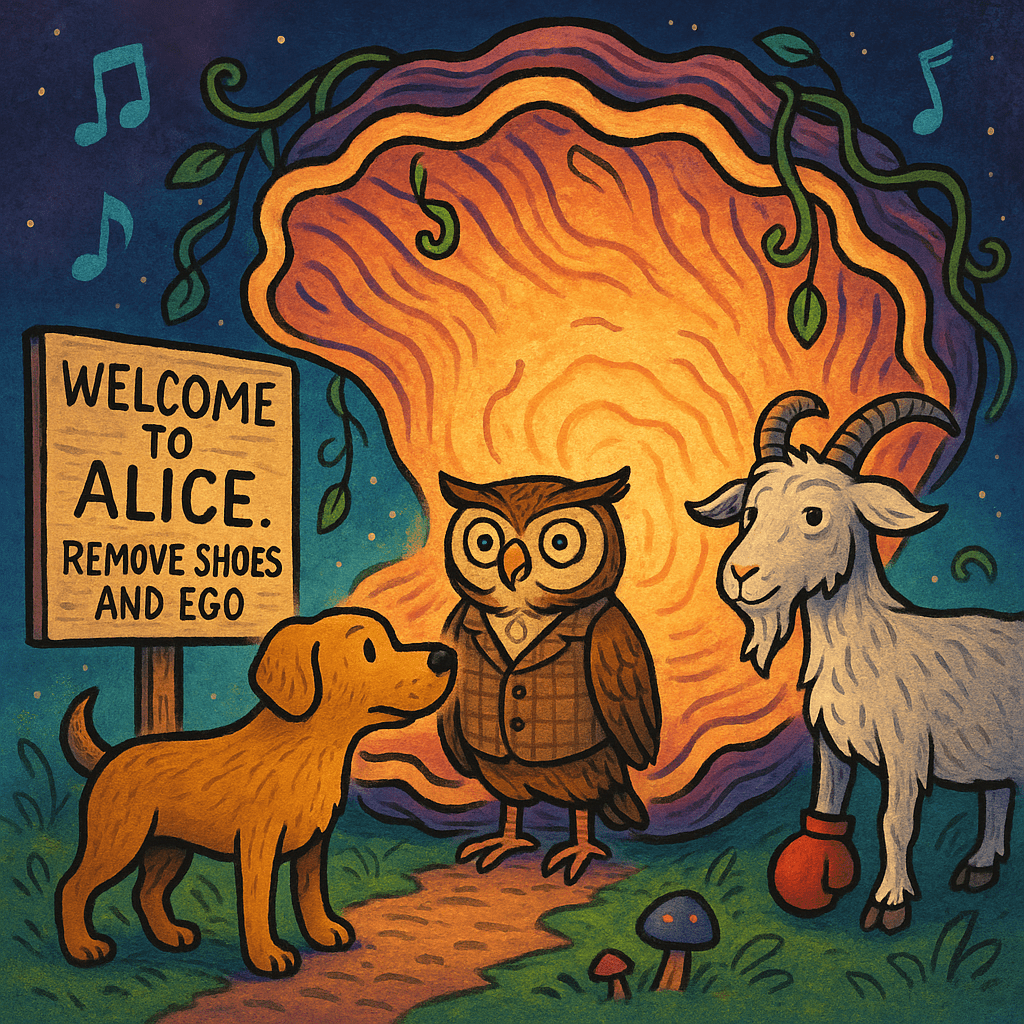
But the German philosopher Max Weber wasn’t talking about your toaster when he warned about disenchantment. He was mourning something bigger. See, once upon a time, nearly everything was enchanted. The sunrise wasn’t astrophysics; it was Apollo hauling his hot wheels across the sky. A bellyache wasn’t indigestion, it was goblins. The voice in your head? Definitely a whispering spirit, not a jumble of neurons firing like popcorn in a skillet.
Hope, back then, floated around like pollen. If you didn’t understand the world (and mostly, you didn’t), you filled in the gaps with enchantment. The spirits—real or not—kept you company, gave you courage, and lent you the strength to plow another rocky field or survive another winter without Netflix.
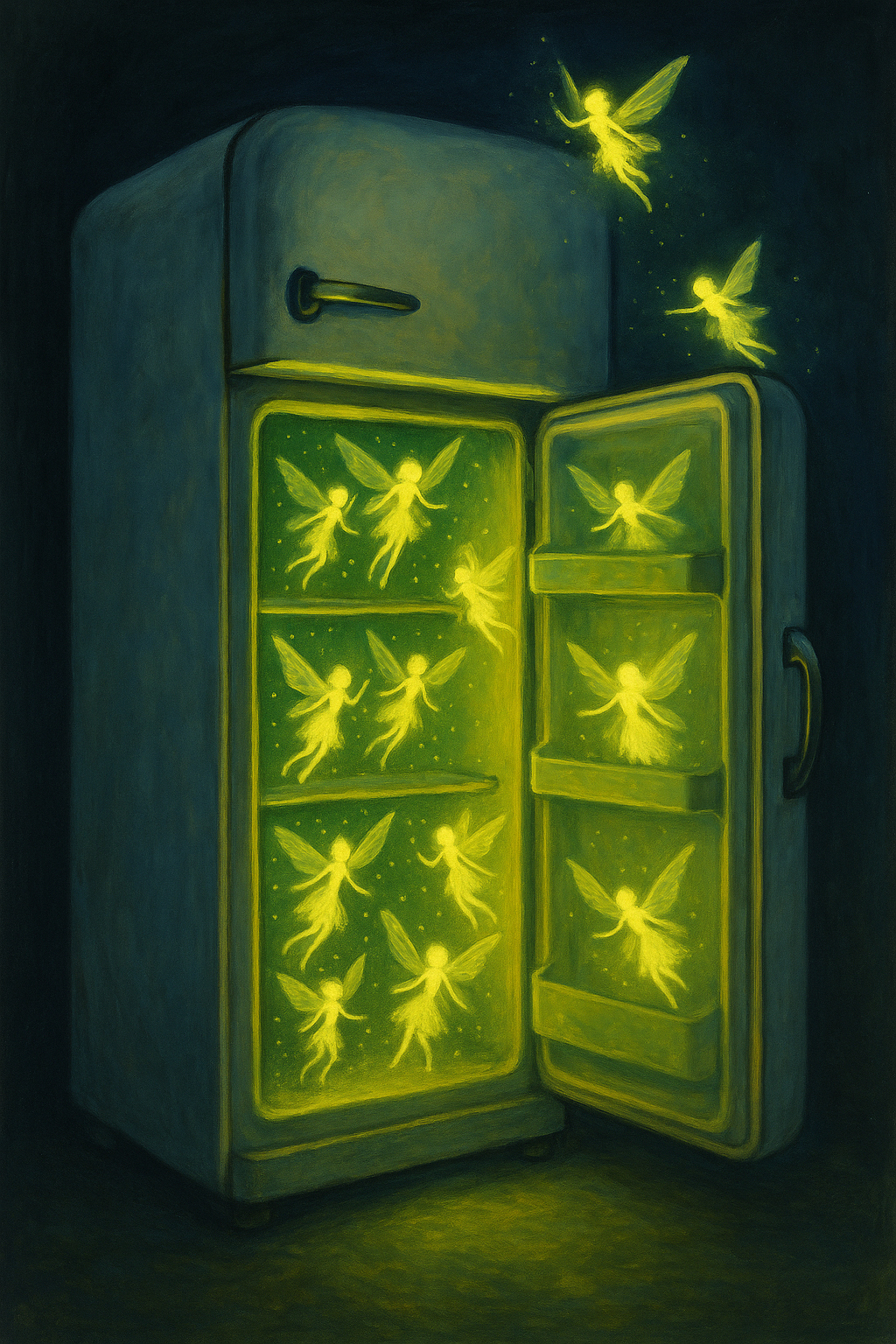
The Refrigerator Ate the Fairy
Then along came philosophers, scientists, and the high priests of Reason, snipping wings off fairies like bored boys pulling legs off grasshoppers. Suddenly, the refrigerator wasn’t a magical cold box—it was Freon and pumps and wires. Your brain? Not an echo chamber for ghosts but a squidgy meat computer running on chemical fizz.
With every explanation, the world grew less magical. We disenchanted it, peeled off the glitter, and left behind bare drywall. Some folks found this refreshing. Others felt like their emotional savings account had been hacked. When the magic drained out, so did their hope.
Enter the Charlatans
And here’s where it gets messy. Humans, parched for enchantment, stumble toward anything with a sparkle. If fairies aren’t real, maybe essential oils can cure cancer? If goblins don’t cause bellyaches, maybe Instagram shamans can align your chakras for $49.95 a session. Facts become the nerds at the dance—ignored, while nonsense ideas dressed in sequins are out there grinding to the beat.
But beware: dancing too close with make-believe often means waking up hungover in a ditch of reality. Magical stories can be cozy blankets against the cold, but if we let others wrap us up too tight, we’ll suffocate on their fairy dust.
So, Where’s the Hope?
Here’s the twist: maybe hope never really needed magic in the first place. Maybe hope is its own enchantment—built-in, self-sustaining, stubborn as dandelions through concrete. We don’t need to pretend the refrigerator is a fairy. We can marvel at the fact that some monkey-brained species figured out how to turn lightning into chilled beer. That’s magic enough.
Disenchantment doesn’t have to be despair. It can be liberation: we no longer need to barter with goblins to keep the sun rising, and we can still write poetry about it if we want. Hope thrives not just in fairytales but in the audacity of our imaginations, in our refusal to give up, and in our insistence on finding delight—even when the glitter is gone.
So, here’s the truth, Tom Robbins–style: the universe is less Disney movie, more psychedelic plumbing system. Hope is the hallucinogen your brain manufactures for free. Use it wisely, laugh often, and try not to mistake snake oil for stardust.